
What a surveyor is actually doing
A homebuyer survey or building survey reports on what the surveyor could see, in the time available, without opening anything up. Where something cannot be inspected, they say so. That is the job, and it is not a judgement about the material.
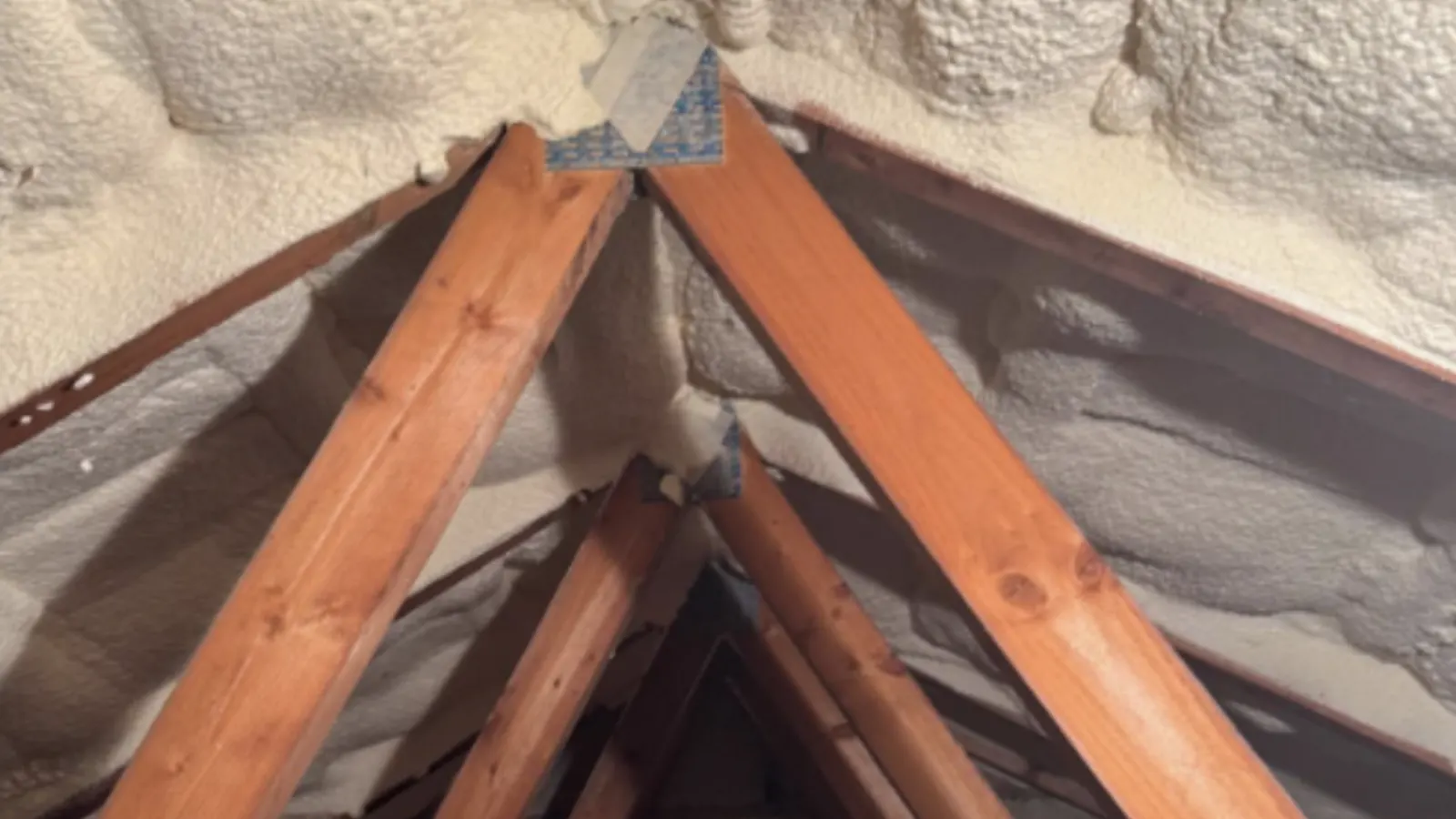
So when foam covers the roof structure, the report does not usually say the roof is defective. It says the roof could not be inspected, and recommends further investigation. That distinction matters, and it is frequently lost in the conversation that follows.
RICS guidance issued in 2022 sits behind that wording. It flags that spray foam can trap moisture, contribute to timber decay and hide structural defects, which is precisely why a surveyor cannot report on what they cannot see.
Why a caveat carries so much weight
A valuer working for a lender is assessing security for a loan. An unresolved recommendation for further investigation on the primary structural element of the property is not something that can simply be noted and moved past.
An unknown is treated more harshly than a known defect. A quantified problem can be priced and deducted. An unquantified one gets a retention, a condition, or a decline.
This is why owners are often surprised. Nothing was found to be wrong. The difficulty is that nothing could be found at all. Our guide to spray foam and mortgages covers what happens next on the lending side.
What tends to appear in the report
- A note that the roof space is insulated with sprayed foam and the structure is obscured
- A statement that the timbers, battens and underlay could not be inspected
- A recommendation for further investigation by a suitably qualified contractor before exchange
- Occasionally a comment on ventilation, where the surveyor can see the eaves are closed off
- A higher condition rating on the roof element than the visible condition alone would suggest
What changes the outcome
Evidence, specifically evidence about the structure rather than about the insulation. A surveyor who can see photographs of clean, sound timbers taken when they were exposed, a written inspection record, details of any repairs and a specification for the current insulation and ventilation is looking at a roof they can report on like any other.
Without that, they are looking at a roof somebody says is fine, and they cannot write that. Our guide to the paperwork lenders and surveyors want sets out what the pack should contain, and why it has to be assembled while the timbers are exposed rather than reconstructed later.
If you are buying
Treat the caveat as a question rather than a verdict. Find out which foam type is present and how it was applied, get the roof inspected properly by somebody who can also assess the timbers, and price the outcome into the negotiation rather than walking on the wording alone. Our guide to the problems with spray foam covers which of them are real and which are overstated.
If you are selling
Dealing with it before listing removes the caveat from the conversation entirely, and it puts you in control of the timing rather than discovering it mid chain. Our guide to selling a house with spray foam covers the seller side, and our spray foam removal service includes the inspection record and photographs a surveyor will want to see, nationwide.