
The short answer
Selling a house with spray foam insulation can be challenging. It's important to disclose its presence early or consider removing it.
Can you sell a house with spray foam insulation?
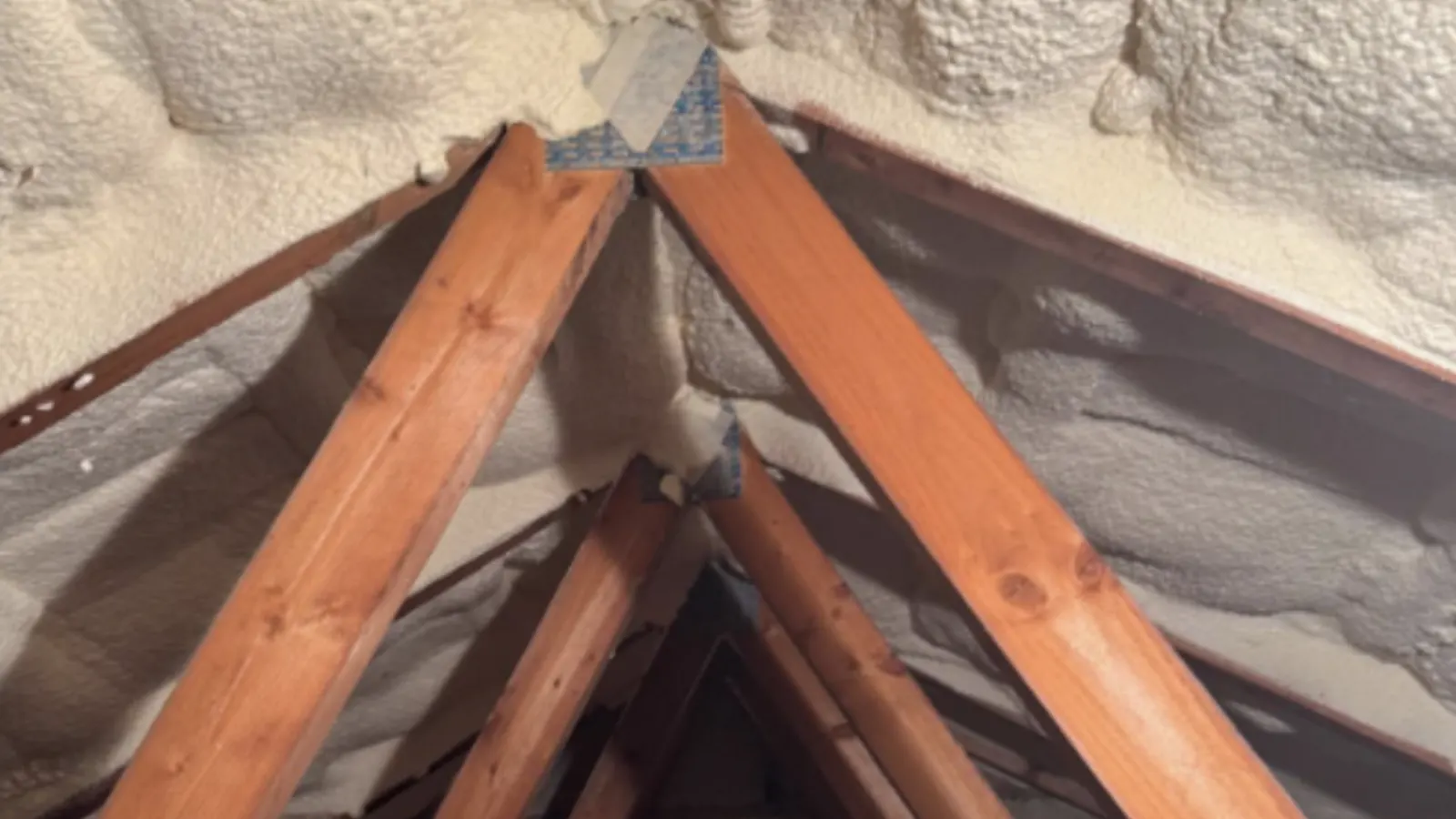
Yes, you can sell a house with spray foam insulation, but it often complicates the sale process. Many buyers and mortgage lenders view it as a risk due to potential issues it can cause, such as moisture build-up and structural damage.
While cash buyers might be more flexible, they tend to lower their offers to account for the perceived risk. This means you may not get the best price for your property if the spray foam insulation remains.
Why disclosing early is crucial
Disclosing the presence of spray foam insulation early in the selling process is essential. If buyers discover it mid-transaction, it can lead to delays or even cancellations. This is particularly problematic if a buyer's mortgage application gets refused due to spray foam, as noted in our article on spray foam insulation mortgage refusals.
By being upfront, you avoid wasting time and resources. Buyers appreciate transparency and are more likely to negotiate rather than walk away.
Removal before listing: a viable option
Removing spray foam insulation before listing your house is an option worth considering. Doing so can make your property more attractive to a wider range of buyers, including those relying on mortgage financing.
The timeline for removal varies, but it's best to start the process well in advance of listing your property. For detailed information on costs and procedures, check out our guide on spray foam removal costs or our removal services.
Mid-chain discovery: why it's the worst
Discovering spray foam insulation mid-chain is the worst timing for all parties involved. It can halt the sale process, leading to increased stress and financial implications for both the buyer and the seller.
If a lender refuses a mortgage after the discovery, it could take months to find a new buyer, especially if the market is slow. This highlights the importance of addressing the issue before it escalates.
Cash buyers: pricing the risk
Cash buyers might be more willing to purchase homes with spray foam insulation, but they will often price the risk into their offers. This means you might receive lower offers than expected.
Disclose spray foam insulation early to avoid mid-transaction issues and consider removal to widen your buyer pool.
If getting a fair price is important to you, removing the insulation beforehand can be a smart move. This way, your property appeals to both cash buyers and those needing mortgages.