
The short answer
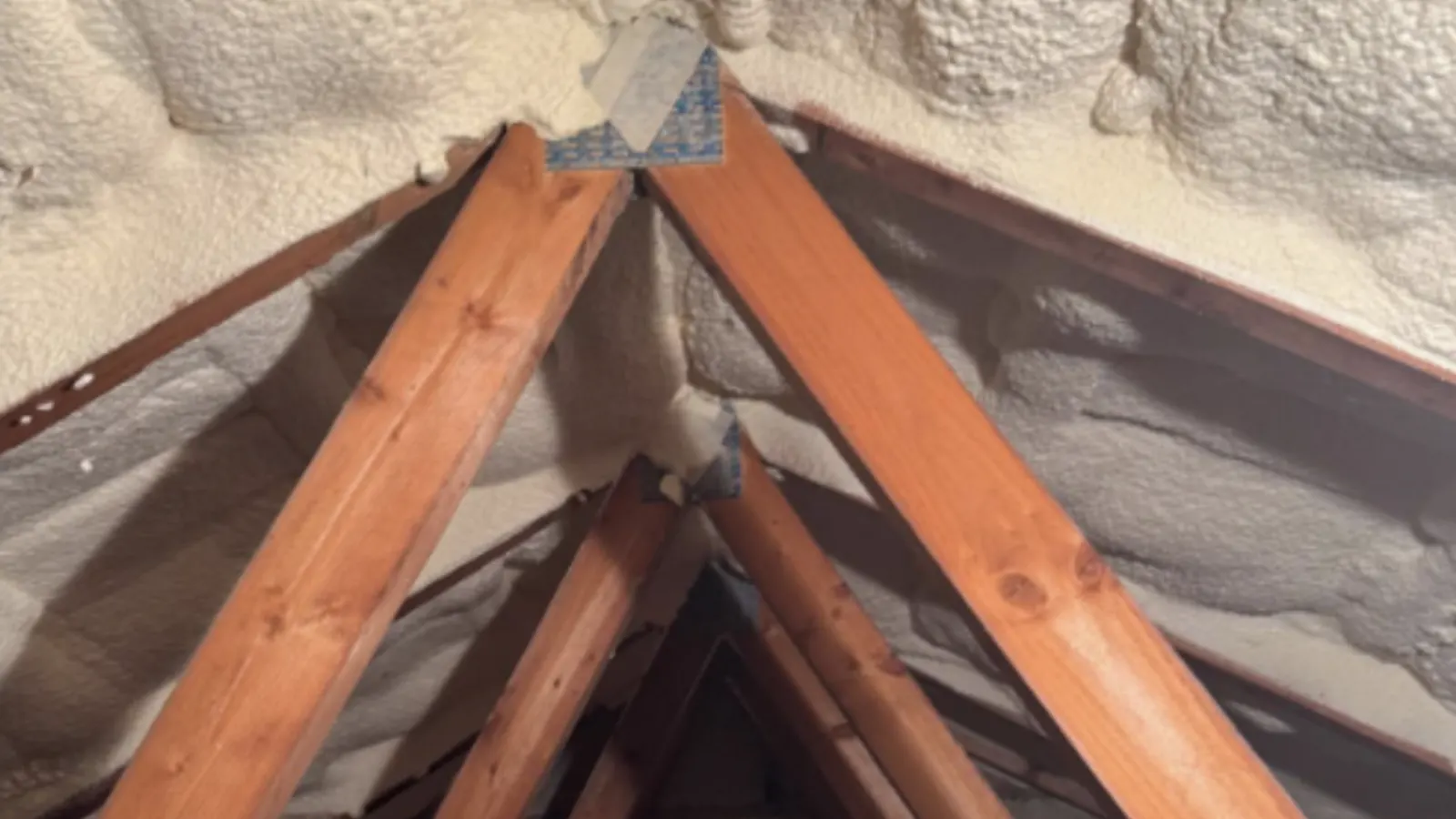
Getting a mortgage on a house with spray foam insulation can be challenging. Many lenders are hesitant because the foam can hide potential issues in the roof structure.
How many lenders actually refuse
The picture is more specific than "lenders will not touch it". The House of Commons Library briefing on spray foam insulation and mortgages records that of the 20 largest mortgage providers, seven refuse to lend on any property with any form of spray foam. The other 13 consider it case by case, with extra information and a survey likely to be required. Equity release is tighter than mainstream lending.
So the realistic expectation is not automatic refusal. It is that you will be asked to evidence the condition of the roof, and that some lenders are closed to you. Policies change, so nobody can promise a particular decision.
Which mortgage lenders accept spray foam insulation?
There is no fixed public list. Lenders do not publish permanent spray foam policies, and the stance a lender takes this month can change the next. What the House of Commons Library briefing shows is that most of the largest providers sit in the case by case group: they will consider a property with spray foam when they can see evidence of the roof's condition, usually a specialist survey and installation paperwork.
The practical way to find a willing lender is:
- Use a whole of market broker. Brokers hold current lending criteria and can tell you the same day which lenders are open to a spray foam property in your situation.
- Ask the lender directly before applying. A declined application can leave a footprint, so check criteria first.
- Prepare evidence. A roof inspection report, details of the foam type and the installer's paperwork move a case by case lender towards yes. Where the foam cannot be evidenced, removal with documentation reopens the widest choice of lenders.
We cannot promise how any lender will decide, and nobody reputable can. What removal with proper documentation does is take the property out of the automatic refusal group and back into normal lending territory.
Why lenders hesitate
Lenders often refuse mortgages on properties with spray foam insulation because it can obscure the condition of the roof. Spray foam, especially closed-cell types, bonds directly to roof coverings, making it difficult to inspect the rafters and tiles. This increases the risk of undetected damage or moisture issues.
Lenders worry about the long-term structural integrity of properties with hidden defects, affecting their willingness to offer a mortgage. Policies vary, so some lenders might still consider such properties, but it is not guaranteed.
Actions for buyers
If you're looking to buy a house with spray foam insulation, it's essential to check the lender's policy on such properties before making an offer. You might need to contact several lenders to find one willing to work with you.
Consider negotiating with the seller to remove the spray foam insulation and provide documentation of the roof's condition. This can help reassure lenders and improve your chances of securing a mortgage. Our spray foam removal services can assist in this process.
What sellers can do
Sellers can take proactive steps to facilitate the sale of their property by addressing the spray foam issue. Removing the insulation and documenting the roof's integrity can make the house more attractive to buyers and lenders alike.
After removal, ensure all paperwork is in order. For more details, check out our article on after spray foam removal paperwork.
Removal as a solution
Removing spray foam insulation is often the most reliable way to address lender concerns. It allows for a thorough inspection of the roof structure, providing peace of mind for both buyers and lenders.
The cost of removal varies depending on the size and complexity of the job. For more information, see our article on spray foam removal cost. Always get a written quote after a survey for accurate pricing.
Removal with proper inspection and documentation is the most reliable way to address mortgage concerns related to spray foam insulation.
Changing lender policies
It's important to understand that lender policies can change over time. What might be a firm refusal today could alter as more information and alternative solutions become available. Always check with individual lenders for their most current policies.
This uncertainty is another reason why addressing the spray foam insulation issue sooner rather than later can be beneficial.