
The short answer
Superfoil insulation can be effective for specific scenarios, particularly in places where space is limited. It is not always the best choice compared to traditional options like mineral wool, especially when considering long-term performance and cost.
What is multifoil insulation
Multifoil insulation, like Superfoil, consists of multiple layers of reflective materials sandwiched between foam or fibre layers. It reflects heat rather than trapping it, which can be advantageous in certain situations. This type of insulation is known for its thin profile, making it suitable for spaces where depth is a constraint.
These products are often marketed for their ease of installation and their ability to provide a high level of thermal resistance in a thin package. However, the actual performance can vary depending on the installation quality and environmental factors.
Where superfoil insulation suits best
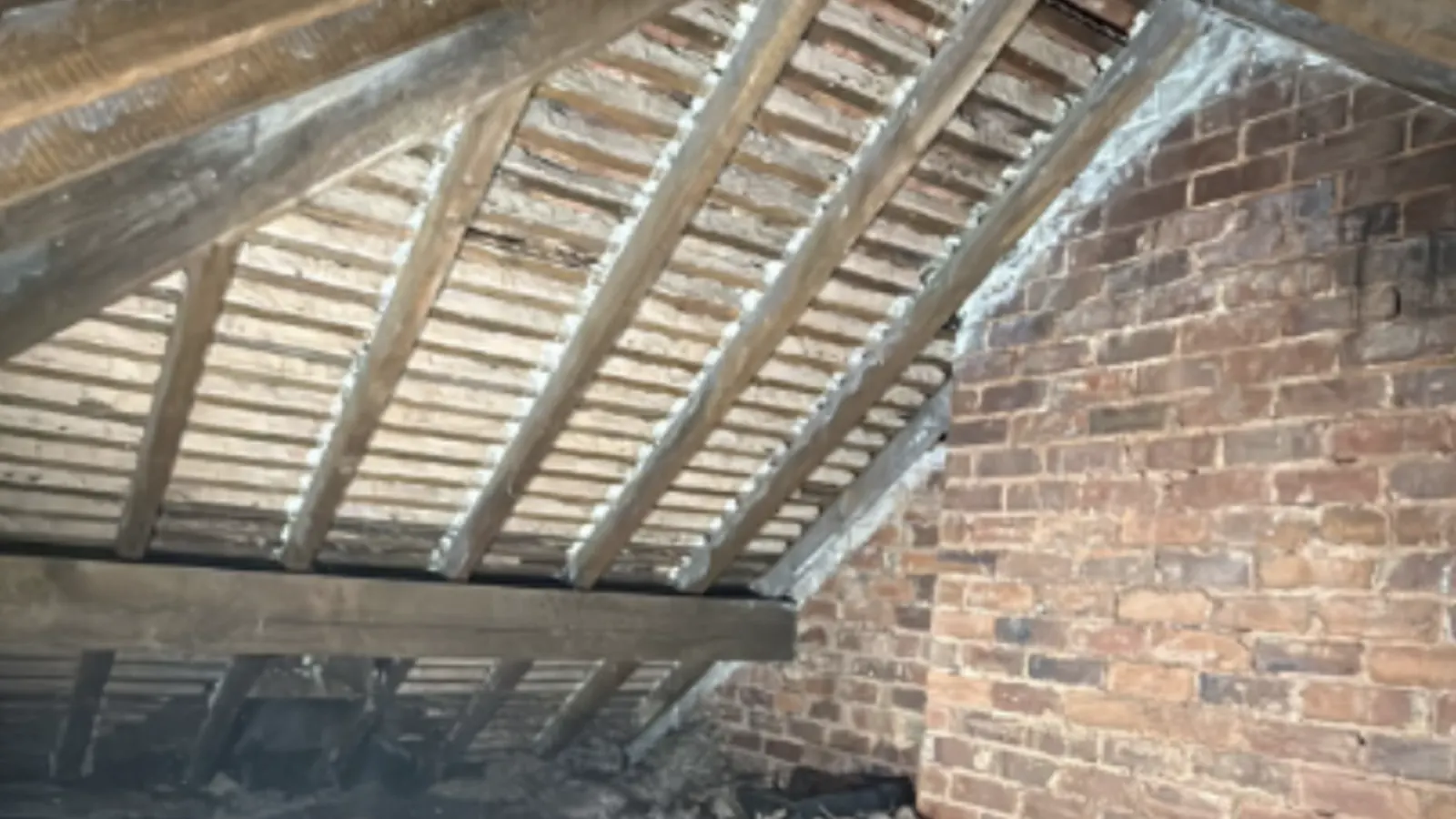
Superfoil is particularly suitable for areas with limited depth, such as under rafters in loft conversions or areas where you cannot afford to lose headroom. Its thin nature allows it to fit where bulkier insulation like mineral wool would take up too much space.
In applications like a loft conversion, where maintaining as much headroom as possible is crucial, multifoil can be a practical choice. It can also be used in conjunction with other types of insulation to boost overall performance without adding significant depth.
Trade-offs between superfoil and mineral wool
When comparing Superfoil and mineral wool, the main difference lies in thickness and installation flexibility. Mineral wool is often thicker and can provide excellent soundproofing and thermal properties, but it requires more space. Superfoil, being thinner, offers a space-saving alternative but might not match the thermal performance of a well-installed thick layer of mineral wool.
Another consideration is cost. While Superfoil can be more expensive upfront, it might offer installation savings due to its ease of handling. Mineral wool, on the other hand, is generally cheaper per square metre but may incur higher installation costs due to its bulk.
Debate over performance figures
There is ongoing debate about the performance figures quoted for multifoil insulation. Some industry experts question the accuracy of the claimed R-values or thermal resistance, especially when compared to traditional insulation materials like mineral wool.
This discrepancy often arises because multifoil's performance can be more variable, influenced heavily by how well it is installed and the specific environmental conditions. It is important to consider this when making a decision, as the real-world performance may not always align with the advertised figures.
When to consider alternatives
If depth is not a constraint, mineral wool or other traditional insulation types can often provide better value. These options typically offer proven performance and can be more cost-effective over the long term if space permits.
For homeowners concerned about potential resale value or mortgage issues, especially if considering spray foam insulation, you might want to explore alternatives. Our guide on loft insulation depth can provide insights on how to optimise your insulation choices. Furthermore, if you are thinking of changing your insulation, check out our services page for more information on the options available.
Real-world insulation performance depends significantly on installation quality. Always get a professional survey and itemised quote to understand what best suits your home's needs.