Home Extension Trends 2025: The Future of Living Space Design
Home Extension Trends 2025: The Future of Living Space Design
Home Extension Trends 2025: The Future of Living Space Design
Home Extension Trends 2025: The Future of Living Space Design
Home Extension Trends 2025: The Future of Living Space Design
Home Extension Trends 2025: The Future of Living Space Design
Home Extension Trends 2025: The Future of Living Space Design
Home Extension Trends 2025: The Future of Living Space Design
Home Extension Trends 2025: The Future of Living Space Design
Home Extension Trends 2025: The Future of Living Space Design
Home Extension Trends 2025: The Future of Living Space Design
As we move through 2025, the home extension market continues to evolve, driven by changing lifestyles, technological advances, and a growing emphasis on sustainability. Based on industry data and our experience with hundreds of projects, we’ve identified the key trends shaping how homeowners are expanding their living spaces this year.
1. Multi-Functional Hybrid Spaces
The traditional single-purpose room is becoming obsolete. Today’s homeowners are demanding flexible spaces that can adapt to multiple uses throughout the day¹.
Key Features:
Kitchen-Living-Dining Extensions: Open-plan spaces that flow seamlessly between cooking, dining, and relaxation areas
Work-Play Zones: Home offices that transform into entertainment spaces in the evenings
Guest Room-Studies: Spare bedrooms doubling as productive workspaces
Gym-Playrooms: Fitness areas that convert to children’s play spaces
“We’re seeing a 40% increase in requests for adaptable spaces compared to 2023,” notes the Federation of Master Builders in their latest market report².
2. Biophilic Design Integration
The connection between indoor and outdoor living has never been stronger, with biophilic design principles driving extension layouts and material choices³.
Popular Elements:
Floor-to-Ceiling Glass Walls: Maximizing natural light and garden views
Living Walls: Integrated planters and green walls within extensions
Natural Materials: Reclaimed wood, natural stone, and earth-toned finishes
Indoor-Outdoor Flow: Bi-fold doors creating seamless transitions to gardens
Research from the University of Surrey shows that homes incorporating biophilic design elements see a 15% increase in occupant wellbeing scores⁴.
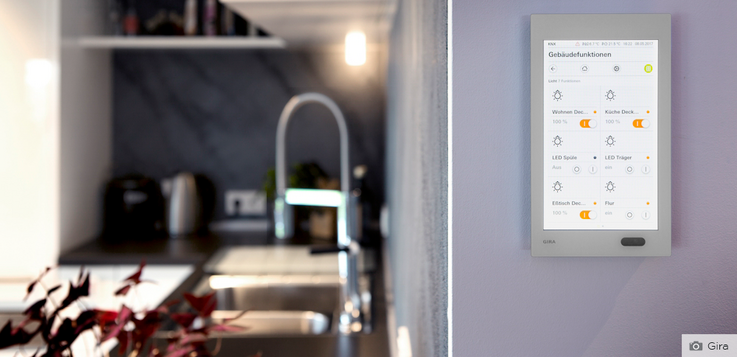
3. Smart Home Technology Integration
Home automation is no longer a luxury but an expected feature in modern extensions⁵.
Trending Technologies:
Integrated Climate Control: Smart heating, cooling, and ventilation systems
Automated Lighting: Circadian rhythm lighting that adjusts throughout the day
Smart Glass: Electrochromic windows that adjust opacity automatically
Voice-Controlled Systems: Integrated speakers and smart home hubs
Energy Management: Real-time monitoring and optimization of energy usage
The Consumer Technology Association reports that 73% of new home extensions now include some form of smart technology⁶.
4. Sustainable and Net-Zero Extensions
Environmental consciousness is driving demand for ultra-efficient, sustainable building methods⁷.
Key Sustainability Features:
SIPS Eco Panels: Structural Insulated Panels for superior energy efficiency
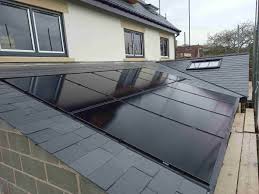
Solar Integration: Roof-mounted panels and solar tiles
Heat Pumps: Air source and ground source heating systems
Rainwater Harvesting: Integrated collection and filtration systems
Sustainable Materials: Recycled steel, bamboo flooring, and low-carbon concrete alternatives
The UK Green Building Council reports a 60% increase in requests for net-zero extensions in 2024⁸.
Ready to explore how these 2025 trends could enhance your home? Contact Carter Langford Construction for a consultation on incorporating the latest design innovations into your extension project.
References
Royal Institute of British Architects (RIBA). “Future Living Report 2025.” RIBA Publications, 2025.
%402x.svg)


%402x.svg)

%402x.svg)
